Fish Games at Sweepstakes Casinos: How to Play and Win
 Available in US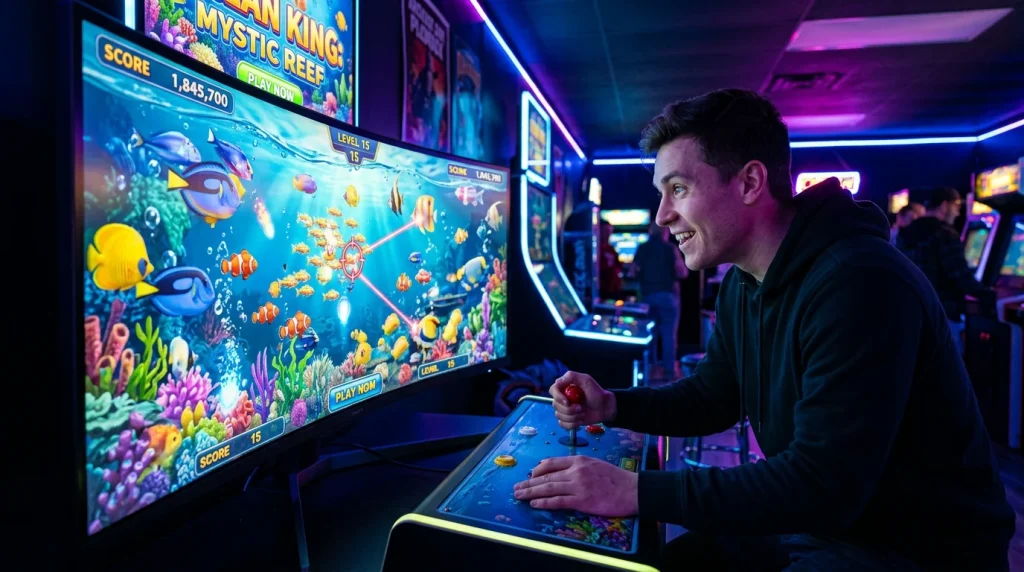
Fish games occupy a strange corner of the sweepstakes casino landscape. They look nothing like slots. The mechanics borrow from arcade shooters. Players control cannons, aim at swimming targets, and collect prizes based on what they hit. The format feels active, almost skill-based, in ways that traditional casino games do not.
The category exploded alongside the broader sweepstakes market, which saw compound annual growth rates between 60 and 70 percent from 2020 to 2024 according to KPMG analysis. Fish tables thrived in physical arcade-style gambling establishments across certain states before migrating online. The digital versions preserve the core loop while adding features that physical machines could not support.
Whether fish games constitute gambling or skill-based entertainment remains legally contested. The category attracts both regulatory scrutiny and devoted players who prefer shooting fish over spinning reels. This guide explains how these games work, what to expect, and whether the perceived skill element translates to actual strategic advantage.
Fish Games at Sweepstakes Casinos — More on this topic at sweepstakes casino games.
Fish Game Mechanics Explained
Every fish game follows the same fundamental structure. An underwater scene fills your screen. Fish of various types swim across it, each assigned a value multiplier. You control a weapon—typically a cannon or turret—that fires projectiles costing a set amount of currency per shot. When shots connect with fish, those fish might die and pay out their multiplied value. Or they might survive and keep swimming.
The “might” is crucial. Fish games incorporate randomness into hit registration. Your shot visually connects with a target, but whether it kills depends on invisible calculations the game performs. Think of each shot as purchasing a chance at the fish’s payout rather than guaranteeing a hit. Larger, higher-value targets have lower kill rates. Small fish die easily but pay little.
Ammunition management defines the gameplay loop. Holding down the fire button sprays bullets rapidly, depleting your currency quickly. Careful players aim deliberately, spacing shots to maximize efficiency. The tension between aggressive spraying and conservative picking creates the engagement that draws players to the format.
Special weapons and power-ups complicate the base mechanics. Many fish games include limited-use abilities: bombs that damage everything on screen, lasers that pierce multiple targets, nets that capture groups simultaneously. These tools cost more to deploy but potentially generate outsized returns when used at optimal moments.
Multiplayer elements add another layer. Online fish games typically place multiple players in shared environments. You compete for the same swimming targets, racing to shoot fish before others claim them. Boss events spawn high-value creatures that require sustained fire from multiple players, rewarding whoever lands the killing shot. The competitive dynamic intensifies the arcade feeling.
Popular Fish Games at Sweeps Casinos
Ocean King remains the benchmark title that defined the category. Its various iterations—Ocean King 2, Ocean King 3, and numerous spinoffs—established the visual language and mechanical conventions that competitors follow. Vibrant underwater environments, progressive difficulty, and dramatic boss encounters characterize the series. Most sweepstakes casinos offering fish games include some Ocean King variant.
Fire Kirin gained prominence as a mobile-first alternative. The game packages familiar mechanics in a polished interface optimized for touchscreen play. Swiping to aim and tapping to fire feels intuitive on phones and tablets. The brand expanded beyond fish tables into broader sweepstakes territory, though the fish games remain its core offering.
Golden Dragon delivers a similar experience with different theming. Dragon-focused imagery replaces some aquatic elements, though the gameplay loop stays consistent. Players who tire of purely underwater aesthetics find variety here.
Skill Fish Games and similar titles emphasize the supposed skill component in their branding. Whether that emphasis reflects reality depends on how you interpret randomness. You control where you aim and when you shoot. The game controls whether hits register as kills. Marketing skill as central when outcomes remain probabilistic courts the same controversy the broader category faces.
Orion Stars aggregates multiple fish games under one platform, letting players switch between titles without leaving the app. The convenience appeals to fish game enthusiasts who want variety within the format rather than spreading activity across platforms.
Strategies for Fish Game Success
The strategic debate around fish games hinges on a fundamental question: does skill actually matter? If every shot carries an independent probability of killing its target regardless of player input, then strategies reduce to bankroll management. If pattern recognition, timing, and target selection genuinely influence outcomes, then dedicated players gain edges.
The sweepstakes industry’s explosive growth—analysts tracked compound annual growth around 75 percent from 2019 to 2023—brought fish games along without resolving this question. Operators benefit from ambiguity. Players who believe skill matters engage more deeply. Those who recognize randomness play anyway because the format entertains.
Practical advice works regardless of where truth lies. Start with small ammunition sizes until you understand a specific game’s rhythm. Each title balances differently. Kill rates, fish speeds, and spawn patterns vary. Burning through currency learning a game’s quirks wastes resources better deployed after gaining familiarity.
Focus firepower on targets matching your current ammunition level. Small bullets wasted on boss fish accomplish nothing. Save powerful shots for high-value targets where the potential payout justifies the cost. This seems obvious but requires discipline when screens fill with tempting targets.
Track your ammunition expenditure against returns over sessions. Fish games create cognitive distortions similar to slots—exciting kills obscure quiet drains. Knowing your actual performance across extended play reveals whether a game treats you profitably. Many players discover sustained losses despite remembering big wins vividly.
Avoid chasing. When targets escape after absorbing multiple expensive shots, the temptation to keep firing until they die intensifies. This escalation burns bankrolls rapidly. Letting wounded targets swim away often costs less than continuing pursuit.
Fish Games vs Traditional Slots
Fish games and slots serve the same purpose—converting player currency into entertainment and potential prizes—through radically different interfaces. Slots require no input beyond initiating spins. Fish games demand constant attention, aiming, and firing decisions. The active engagement attracts players who find slot passivity boring.
See also Crash Games at Sweepstakes Casinos.
Return-to-player comparisons between formats remain impossible to verify. Neither fish games nor sweepstakes slots operate under regulatory oversight requiring RTP disclosure. You cannot determine whether shooting fish returns more value per dollar wagered than spinning reels. The formats differ in feel rather than proven mathematics.
The American Gaming Association has raised concerns about unregulated gaming categories including skill games and fish tables. AGA President and CEO Bill Miller stated that “these unregulated operators exploit legal loopholes, generating zero tax revenue to support local services, attracting crime and exploiting people who confuse them with legitimate gaming machines.” The criticism encompasses fish games operating outside traditional gambling frameworks.
Volatility structures differ meaningfully. Slots concentrate outcomes into bonus rounds that dramatically swing balances. Fish games distribute variance across thousands of small decisions. You might lose slowly through consistent unsuccessful shots rather than hitting zero after a bad bonus round. Some players prefer the slower bleed. Others would rather swing for bigger outcomes.
Session length tends to extend in fish games. The active participation prevents the hypnotic state that slots induce, paradoxically keeping players engaged longer. Whether longer sessions serve player interests depends on perspective. More entertainment per dollar spent could constitute value. More time exposed to negative expectation accumulates losses. The tradeoff is personal.